Gaston County, NC: A Historical Journey Through the Gateway to the Western Carolinas
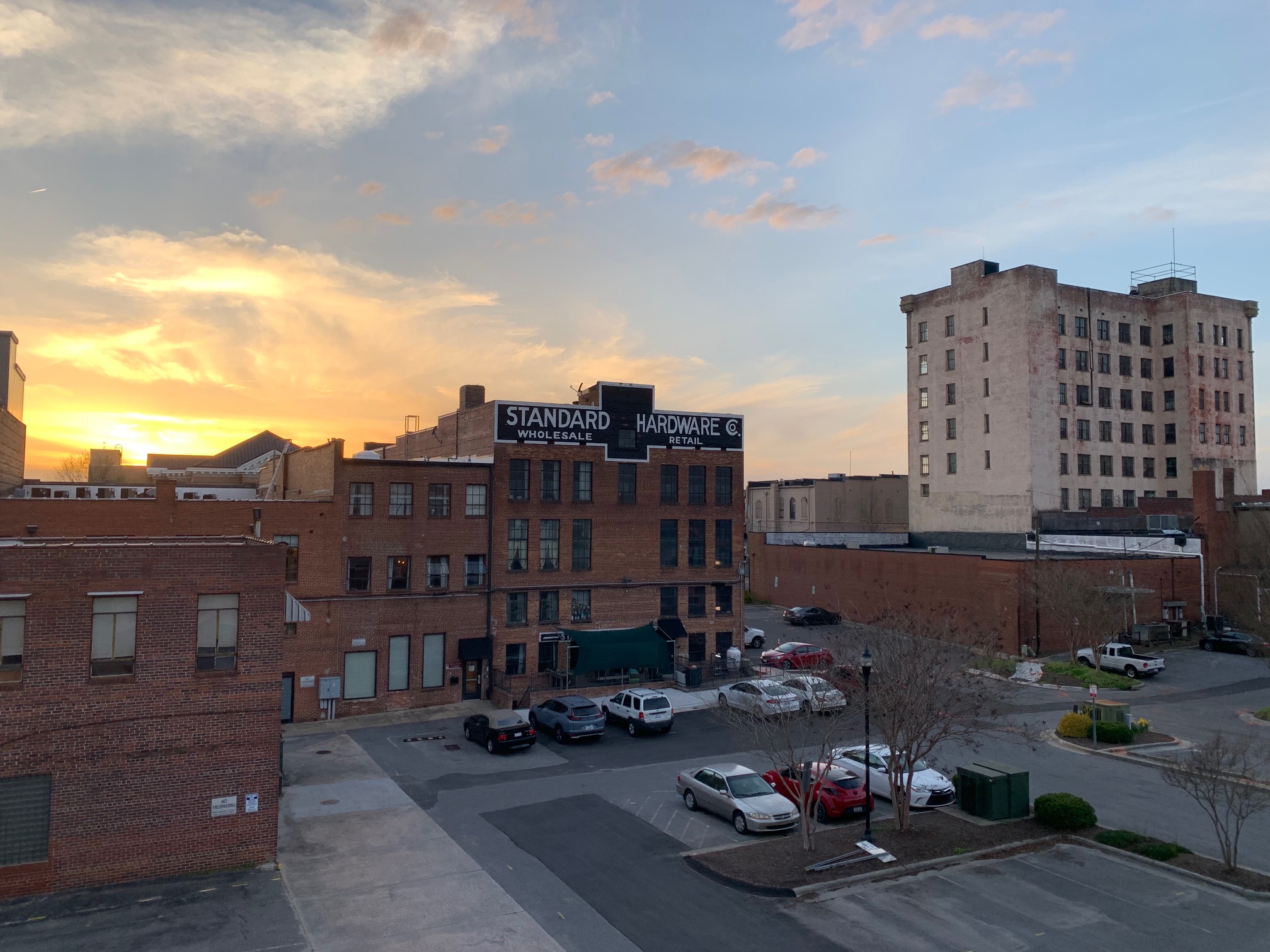
Nestled in the southwestern part of North Carolina, Gaston County stands as a testament to the rich tapestry of Southern heritage, industrial innovation, and natural beauty. Just west of Charlotte, this county combines historical significance with modern amenities, making it a fascinating destination for history buffs and casual visitors alike.
Location and Geography
Gaston County is strategically positioned in the southern Piedmont region of North Carolina, bordered by the Catawba River to the east and the South Carolina state line to the south. Spanning approximately 364 square miles, the county sits at the foothills of the Appalachian Mountains, offering scenic landscapes characterized by rolling hills, lush forests, and waterways.
The county’s proximity to Charlotte (roughly 20 miles east) has allowed it to develop as both a residential community for commuters and an economic center in its own right. With Interstate 85 running through its heart, Gaston County serves as a gateway between the bustling Charlotte metropolitan area and the western regions of North Carolina.
Historical Evolution
Indigenous Roots and Early Settlement
Before European settlement, the lands of present-day Gaston County were primarily inhabited by Catawba and Cherokee Native Americans. These indigenous peoples thrived along the Catawba River and its tributaries for centuries before the arrival of European settlers.
European settlement began in earnest during the mid-18th century, primarily with Scots-Irish and German immigrants who traveled south from Pennsylvania along the Great Wagon Road. These early settlers were drawn to the region’s fertile soil and abundant natural resources.
County Formation
Gaston County was officially formed in 1846, carved from the northern portion of Lincoln County. It was named after William Gaston, a distinguished North Carolina jurist and statesman who served on the state’s Supreme Court. The county seat, Dallas, was established shortly thereafter, though it would later be moved to Gastonia in 1911 as industrialization shifted the population center.
The Textile Revolution
Perhaps nothing has shaped Gaston County’s identity more profoundly than its textile heritage. Following the Civil War, the county transformed from a predominantly agricultural economy to an industrial powerhouse centered around textile manufacturing.
The first cotton mill in the county, the Mountain Island Mill, was established in 1848. However, it was the opening of the Gastonia Cotton Manufacturing Company in 1887 that truly ignited the textile boom. By the early 20th century, Gaston County had earned the nickname “Combed Yarn Capital of the World,” with over 100 textile mills operating within its borders.
This industrial revolution dramatically altered the landscape, economy, and social fabric of the county, creating mill villages and a distinct working-class culture that persists in elements of local identity today.
Notable Historic Sites
Schiele Museum of Natural History
While focusing primarily on natural history, the Schiele Museum in Gastonia also offers insights into the historical development of the region through its Native American exhibits and 18th-century farm restoration. Founded in 1961, the museum has become one of the state’s most comprehensive natural history museums.
Daniel Stowe Botanical Garden
Though more modern in its establishment (opened in 1999), the Daniel Stowe Botanical Garden reflects the aesthetic values and natural beauty that have long characterized the region. The garden’s 380 acres showcase the horticultural heritage of the Carolinas while serving as a living museum.
Loray Mill (Firestone Mill)
The Loray Mill stands as perhaps the most historically significant industrial site in Gaston County. Built in 1900-1901, it was once the largest textile mill under one roof in the South. The mill gained national attention during the 1929 Loray Mill Strike, a pivotal moment in Southern labor history that highlighted the tensions between mill owners and workers.
Today, the renovated Loray Mill houses residential lofts, commercial spaces, and a history center that documents the county’s textile heritage.
Mount Holly Historical Society Museum
Housed in the former Mount Holly High School, this museum preserves the unique history of one of Gaston County’s oldest towns. Exhibits focus on local history, the textile industry, and the development of Mount Holly as a river community.
Spencer Mountain Village
Once a thriving mill village centered around the Spencer Mountain Mill, this historic area offers a glimpse into the self-contained communities that formed around textile production. Though much has changed, the village’s layout and some original buildings remain as testament to this unique chapter in American industrial history.
Cultural Heritage
The 1929 Loray Mill Strike
The Loray Mill Strike of 1929 represents a watershed moment in Gaston County’s history. As workers organized to protest poor working conditions and low wages, tensions escalated into violence that reverberated throughout the American labor movement. The strike’s legacy continues to influence conversations about workers’ rights and industrialization.
Textile Heritage
Beyond individual historic sites, Gaston County’s textile heritage permeates its culture. Former mill buildings, mill villages, and the rhythms of shift changes have shaped community development and local identity. Many families in the county can trace their history through generations of textile workers, creating a shared cultural experience that transcends individual backgrounds.
Modern Gaston County
Today’s Gaston County balances its rich historical legacy with forward-looking development. While the textile industry has declined significantly since its heyday, the county has diversified its economy to include healthcare, education, and modern manufacturing.
The county’s 13 municipalities—including Gastonia, Belmont, Mount Holly, and Cherryville—each offer their own unique character while contributing to the county’s overall identity. The proximity to Charlotte has spurred residential growth, particularly in eastern Gaston County, while the western portions maintain a more rural character.
Natural Attractions
Crowders Mountain State Park
Rising dramatically from the surrounding piedmont, Crowders Mountain offers hiking trails and spectacular views from its 1,625-foot summit. The park preserves not only natural beauty but also geological history, with rock formations dating back hundreds of millions of years.
Catawba River and Lake Wylie
The eastern border of Gaston County is defined by the Catawba River and Lake Wylie, providing recreational opportunities and serving as a reminder of the waterways that first attracted settlement to the region. These water resources have shaped both industry and leisure in the county throughout its history.
Conclusion
Gaston County exemplifies the complex tapestry of Southern history—from Native American settlement to agricultural beginnings, industrial revolution to post-industrial transition. Its location as a gateway between metropolitan Charlotte and the mountains of western North Carolina has positioned it as both a destination and a crossroads throughout its history.
For visitors and residents alike, Gaston County offers a unique opportunity to experience the intersection of Southern heritage, industrial history, and natural beauty—all within view of Charlotte’s modern skyline. As the county continues to evolve in the 21st century, it carries forward the diverse threads of its rich history while weaving new patterns for future generations.