The History and Notable Figures of Gastonia, North Carolina
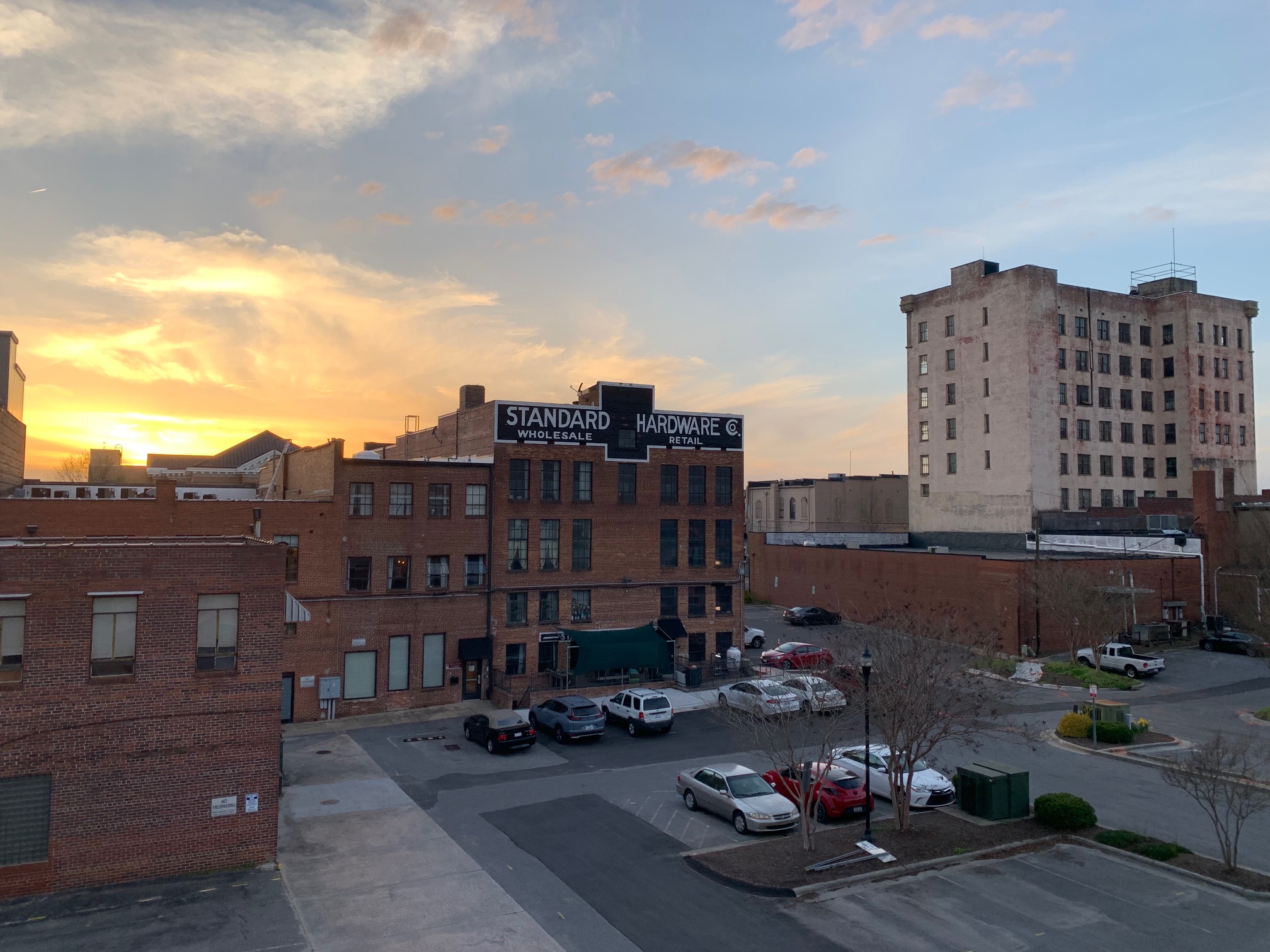
Gastonia, North Carolina, is a city with a rich history, deeply rooted in the textile industry and Southern heritage. Located in Gaston County, just west of Charlotte, Gastonia has played a significant role in the industrial and cultural development of North Carolina.
A Brief History of Gastonia
The city of Gastonia was incorporated in 1877 and named after William Gaston, a prominent North Carolina judge and congressman. Initially a small railroad town, Gastonia quickly became a booming textile manufacturing hub in the late 19th and early 20th centuries. The textile industry was the backbone of the local economy, attracting workers from rural areas and contributing to the city’s rapid growth.
One of the most significant events in Gastonia’s history was the Loray Mill Strike of 1929. The strike, led by the National Textile Workers Union, was a major labor dispute that brought national attention to the city. The conflict between mill workers and mill owners resulted in violent confrontations, the death of the Gastonia police chief, and the eventual suppression of the strike. The event highlighted poor working conditions in Southern textile mills and became an important moment in U.S. labor history.
During the latter half of the 20th century, as the textile industry declined due to globalization and outsourcing, Gastonia transitioned into a more diverse economy. Today, the city continues to grow, with a focus on retail, healthcare, and manufacturing.
What Gastonia is Famous For
Gastonia is well known for its historical ties to the textile industry and labor movements, but it also boasts cultural and natural attractions. Crowders Mountain State Park, located just outside the city, is a popular spot for hiking and rock climbing, offering stunning views of the Piedmont region.
Another major attraction is the Schiele Museum of Natural History, which provides educational exhibits on science, wildlife, and the region’s history. The museum features a planetarium, nature trails, and live animal displays, making it a favorite for families and students.
Additionally, the city has been a part of NASCAR history, with connections to the auto racing scene due to its proximity to Charlotte, a hub for the sport.
Notable Celebrities from Gastonia
Gastonia has been home to several notable figures across different fields, including sports, music, and politics:
- James Worthy – A Basketball Hall of Famer, Worthy played college basketball at UNC-Chapel Hill and won multiple NBA championships with the Los Angeles Lakers during the 1980s. He is regarded as one of the greatest small forwards in NBA history.
- Fred Durst – The lead vocalist of the rock band Limp Bizkit, Durst gained fame in the late 1990s and early 2000s with hits like “Rollin’” and “My Way.” His influence on the nu-metal genre made him a household name in rock music.
- Patrick McHenry – A politician who has served as a U.S. Representative for North Carolina’s 10th congressional district. McHenry has been a key figure in the state’s political landscape for years.
- Leonard Hamilton – A successful college basketball coach, Hamilton has led teams such as Florida State University to national prominence and is known for his long career in coaching.
- Eric “Sleepy” Floyd (born 1960) is a former NBA guard who earned his nickname for his laid-back demeanor that belied his explosive playing style. After starring at Georgetown University, Floyd played 13 NBA seasons (1982-1995), primarily with the Golden State Warriors and Houston Rockets. He became a legend in the 1987 playoffs when he scored an NBA playoff-record 29 points in a single quarter against the Lakers. Floyd was named an NBA All-Star in 1987 and remains one of Gastonia’s most celebrated basketball exports.
- Darrell Armstrong (born 1968) overcame long odds to forge a successful NBA career, going undrafted before eventually breaking into the league in 1994. The energetic guard spent most of his 14-year career with the Orlando Magic, where his relentless hustle and infectious enthusiasm made him a fan favorite. Armstrong won the NBA Sixth Man of the Year and Most Improved Player awards in 1999, becoming only the second player ever to win both honors in the same season. After retiring as a player, he transitioned into coaching, serving as an NBA assistant coach for several teams.
- Rufus Crawford (born 1957) was a standout running back who made his mark in both college and professional football. After an impressive career at the University of South Carolina, Crawford was drafted by the Tampa Bay Buccaneers in 1979. Though his NFL career was relatively brief, he demonstrated the athletic talent and determination that Gastonia has consistently produced in its athletes.
Conclusion
Gastonia, NC, has a fascinating history that blends industrial growth, labor struggles, and cultural contributions. While it was once a major textile hub, the city has reinvented itself over time. With a legacy that includes significant historical events, beautiful natural attractions, and famous figures in sports, music, and politics, Gastonia continues to be a unique and influential part of North Carolina.